

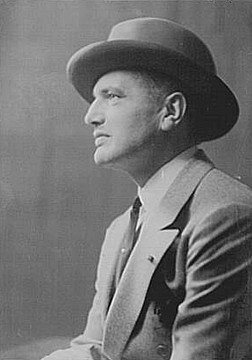
Have you ever wondered about the dazzling worlds of high society and how some icons came to be? Meet John Vernou Bouvier III, a name that echoes with charisma and intrigue. Known affectionately as “Black Jack,” his life was a rollercoaster ride through New York’s high society and Wall Street.
Core Biographical Facts
So, who exactly was this enigmatic figure? Born on May 19, 1891, in the heart of Manhattan, John Vernou Bouvier III, was more than just a Wall Street stockbroker – he was the proud father of Jacqueline Kennedy Onassis, the legendary First Lady of the United States. His electrifying lifestyle led him to be fondly called “Black Jack.” With a dashing appearance and a penchant for the exciting life, his nickname wasn’t just about dark good looks; it was about his love for the gamble and flair that lit up New York society.
Family Ties and Origins
When you’re talking about the Bouviers, you’re diving into a family with roots as fascinating as John’s own story. The Bouviers of New York were a family shaped by ambition and myth. His father, John Vernou Bouvier Jr., was a Wall Street lawyer of repute. Meanwhile, his mother, Maude Frances Sergeant, brought her elegance into the family. This union shaped John’s path, eventually making him the very heartbeat of New York’s elite circles. The Bouviers cultivated a tale of French aristocracy, a blend of truth and a bit of artistic embellishment which his father chronicled in a private genealogy, painting the family as noble and grandiose.
Educational Journey
Now, let’s talk about Black Jack’s smarts. Imagine a young John attending Yale, soaking up a liberal arts education. A Bachelor’s degree from such an elite school put him on the path to prestige. But he didn’t stop there; Columbia University was next on the list. While the exact details of his studies at Columbia remain a puzzle, these educational roots solidified his place among the East Coast’s elite ranks. We can imagine cocktail parties filled with discussions of politics, stocks, and family heritage, a testament to his sharp intellect and cultured upbringing.
Career and Social Contributions
Picture the roaring 1920s, and in walks Black Jack Bouvier, the quintessential Wall Street stockbroker. His footsteps echoed in the grand arenas of finance, where he followed in the path set by his father. But Wall Street wasn’t just about numbers for John. It was intertwined with his life as a prominent socialite. The parties, horse shows, summers in the Hamptons – he was a staple in these gatherings, a charmer under the spotlights of New York and East Hampton. The jet-set lifestyle of the early 20th century was where he belonged, blending business acumen with social grace effortlessly.
Personal and Familial Foundations
Now, let’s talk romance and family. John married Janet Norton Lee in 1928, bringing together two iconic families. The wealth and influence of Janet’s Irish-American lineage complemented the Bouvier mythos, crafting a high-society fairy tale. The couple’s union was blessed with two daughters: Jacqueline Lee “Jackie” Bouvier and Caroline Lee Bouvier. These two women would leave imprints on history, with Jackie famously becoming the wife of President John F. Kennedy, earning her place as a style icon and cultural figure.
Persona and Public Image
With charisma as his calling card, Black Jack became an icon. Known not just for his sharp dress sense and party presence, he was also a complicated figure. Friends and family knew a different side that struggled with personal demons – from gambling to drinking. His marriage with Janet faced troubled waters, culminating in divorce. This period in his life paints a raw picture of a man balancing public charm with personal challenges. Despite or perhaps because of these complexities, he remained a devoted father, especially close to his daughter Jackie, nurturing her future elegance and composure.
Health and Passing
Life for Black Jack was a thrilling ride but not without its struggles. In the spring of 1957, he was diagnosed with terminal liver cancer, a turning point after a well-fought battle with health issues linked to his lifestyle. Black Jack left this world on August 3, 1957, at the age of 66. His final resting place is in East Hampton, a place he adored and frequented. This was a fitting end for a man whose life encapsulated the vibrant spirit of his era.
Historical Significance and Legacy
So why does the life of John Vernou Bouvier III matter today? His journey through high society is a window into the past, into a world of crafted identities mixed with real influence. The intertwining of the Bouvier name with American political history, thanks to his daughter Jackie’s marriage to JFK, is just one aspect of his legacy. The Bouviers were among the architects of 20th-century American high society, and their lore continues to captivate.
Visual Legacy
There’s something about the power of a photograph, right? Images of John with a young Jacqueline at horse shows are iconic, frozen moments in time showcasing the love and bond between them. These are not just pictures; they’re insights into who he was – a man larger than life, striking a balance between glamour and the grittiness of personal challenges.
As we look at John Vernou Bouvier III, we see more than just a father figure. We see the echoes of a bygone era, the societal norms of the time, and a legacy that continues to resonate in the annals of history. Looking for more insights or curious about high society tales? Check out the insights at Smart Business Mag for a deeper dive into the world of entrepreneurship and success stories that rhyme with history.
Also Read:
