

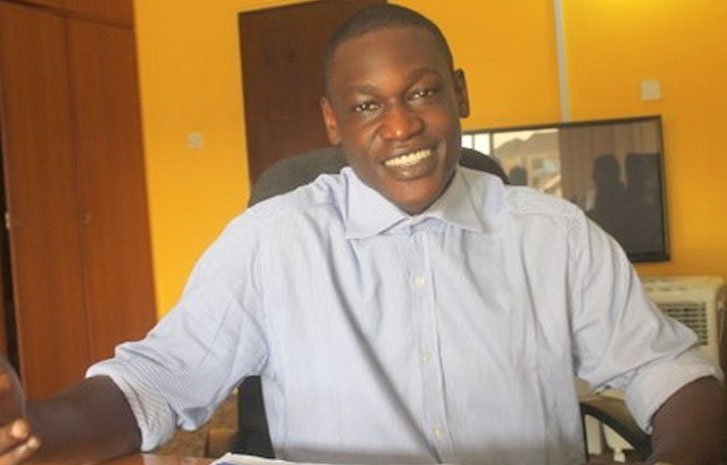
Hey there! Have you ever wondered what it’s like to be at the center of one of Africa’s most influential families? Let’s talk about Abdul Mumuni Abiola—someone who has quite the family story to tell! Abdul is not just any Nigerian; he is a living piece of history, being the son of the late Chief Moshood Kashimawo Olawale (M.K.O.) Abiola and Kudirat Abiola, iconic figures in Nigeria’s quest for democracy.
M.K.O. Abiola is a name that resonates with political might and business success across Nigeria. But let’s zoom in on Abdul himself. He’s grown up under the weight of his father’s legendary status, carrying forward a complex legacy filled with political intrigue, family drama, and national history. It’s a narrative that involves disputes, heroics, and the echoes of a nation striving for its democratic identity. Intrigued yet? Well, you’re in for a gripping tale!
Family Background and Heritage
So, what’s the buzz about Abdul’s family? Picture a massive household with about 40 wives and initially 103 kids—sounds like the setup for an epic, right? Well, that’s a reality Abdul Mumuni Abiola knows all too well. His dad, M.K.O. Abiola, wasn’t just a giant in the business and political worlds; he was also the patriarch of this extraordinary family. With DNA testing, the count of verified biological children came down to around 55, but still, that’s quite the family round-up!
In those early years, Abdul experienced the dynamics of growing up in a bustling, unpredictable household. It wasn’t all glitz and glamour; the Abiola family had its share of typical and not-so-typical disputes and rivalries. Juggling siblings, each with their pursuits and claims, created a lively, sometimes contentious environment.
Imagine the complexity at the dining table—more akin to a board meeting of a multinational family enterprise than a cozy dinner. Abdul’s story isn’t just about wealth or legacy; it’s also about managing so many intertwined destinies under one vast family canopy. What would you do in his shoes?
M.K.O. Abiola’s Will and Inheritance Details
Now, let’s shift gears to talk dollars and pounds! M.K.O. Abiola’s will is a document that could contend with any epic novel for plot twists. In it, his first four wives got specific shares: Simbiat bagged £300,000, Kudirat (Abdul’s mom) got £150,000, while Moriamo and Idiat received £100,000 each. That’s no small change, right? But here’s the catch—distributing such wealth among so many family members is as easy as walking a tightrope blindfolded!
Add to that the DNA saga—yes, they actually had DNA tests to sort out which siblings were biological children of M.K.O. It’s a little like those reality TV DNA reveals but with much higher stakes. For Abdul, it was a battleground mixed with emotion, legalities, and the pressing weight of a legendary father’s enduring shadow. Weirdly fascinating, or what?
Tensions and Disputes in the Abiola Family
If you thought soap operas had drama, wait till you hear about the Abiola family disputes! Abdul has been quite vocal about the family tensions, particularly with his brother, Kola Abiola. It’s like a sibling rivalry but supercharged by millions on the line, public scrutiny, and a significant political legacy.
Abdul has accused Kola of withholding what he believes is his rightful share of their father’s estate. Here’s where family bonds intertwine with complicated legal narratives, forming a plot that keeps unfolding, occasionally hitting headlines. It’s a tale of rights, recognition, and the ever-present shadow of a patriarch whose name means so much to so many. And in this family saga, Abdul’s voice offers a unique perspective—from serving as a custodian of legacy to being just another brother in an iconic bloodline.
Abdul’s Early Life and Struggles
Imagine being just eight years old and thrown into the whirlpool of international politics. That was young Abdul during Nigeria’s 1993 election chaos. After the polls, while his father was being detained under politically charged conditions, Abdul was sent to the United Kingdom. Instead of enjoying childhood ease, he faced survival and resilience as daily companions.
In the UK, life wasn’t a bed of roses. Financial constraints mixed with the emotional strain of distance from home created a stormy phase in Abdul’s early life. The echoes of political persecution shook the family’s very core. It is these early struggles that have perhaps shaped Abdul’s passion for justice and a clear voice in his adult years.
Reflections on M.K.O. Abiola’s Legacy
Here’s the thing about legacies—they aren’t static. Abdul has consistently reminded the world about his dad’s monumental place in Nigeria’s democratic evolution. In interviews, he proudly stated how even as a child, he knew his father won the 1993 election, something that was officially annulled but widely acknowledged later on. Former Nigerian leaders have even admitted that the annulment, although harsh, was considered necessary at the time.
Abdul welcomed President Muhammadu Buhari’s decision to honor M.K.O. Abiola with Nigeria’s highest national award and recognizing June 12 as Democracy Day. For Abdul, these gestures are about reckoning with history and allowing some form of closure—essential elements as he navigates his place in a world where his father’s shadow still lingers large.
Views on Kudirat Abiola’s Legacy and Controversies
Abdul also speaks openly about his mother, Kudirat’s legacy, whose life and tragic death have become part of Nigeria’s political tapestry. Conversations often veer into conspiracy theories about his parents’ deaths—topics that invite intense discussion and speculation. One such theory suggests his father’s death was “a balancing act” following General Sani Abacha’s demise.
Abdul doesn’t just retell these stories; he brings his personal reflections into them. For him, it’s not just about recounting historical events; it’s about how those events shaped a nation’s democratic strides and his own journey through life.
Abdul’s Media Presence and Influence
You’ve probably seen him on TV, read his comments online, or perhaps stumbled on an interview clip on social media. Abdul has developed quite the presence as a family’s spokesperson, fielding questions about political legacies and family inheritance spats with flair.
His commentary covers:
- His father’s political journey and impacts.
- The sensational family inheritance issues.
- Public clarifications of family details that often get tangled in media spins.
Abdul uses his media platform to keep his parents’ stories alive, ensuring that new generations understand the political and personal narratives that continue to ripple through Nigerian society.
Conclusion
There you have it—a tour through the life and times of Abdul Mumuni Abiola, a man intertwined with a saga too vibrant to ignore. His journey from a child of privilege thrust into adversity to an eloquent family representative is one for the books. Abdul continues to uphold his parents’ legacies, navigating between traditional expectations and modern narratives while keeping the story of M.K.O. Abiola both relevant and respected.
And in a twist the Abiola saga deserves, Abdul’s story isn’t just about him—it’s about a family that continues to influence Nigeria’s ongoing democratic experiment. To catch more stories like this or dive into exciting topics about family legacies, head over to Smart Business Magazine for deeper insights and more inspiring tales. Keep exploring, and stay curious!
Also Read:
