

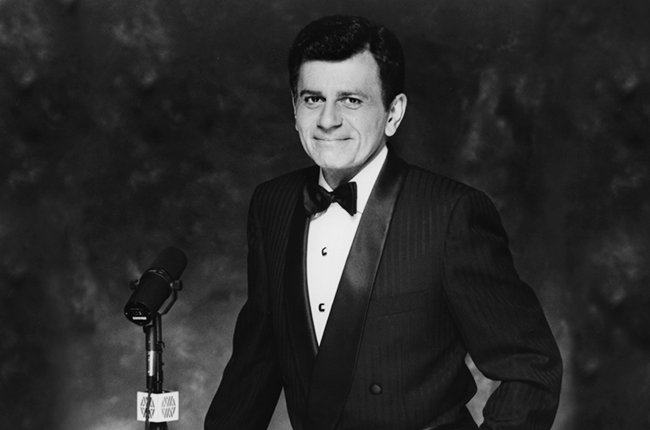
Have you ever paused to think, “Who’s the legendary voice behind the countdown that made Sunday afternoons worth waiting for?” If you have, you’re likely thinking of Casey Kasem, the charismatic host of American Top 40. Now, here’s a guy who didn’t just countdown the hits—he crafted an experience. Casey’s impact on radio was like adding glitter to your favorite festival—he made it brighter and unforgettable. You know, that kind of magic you can’t quite put your finger on but can’t look away from either? That was Casey.
Let’s talk about American Top 40, a show that turned the music world on its head in the most joyous way possible. Think about it—1970s radio was a bit like a record store without categories, and suddenly, Casey comes along to introduce us to a neatly organized world of music hits. Whether you listened religiously or stumbled across it while tuning the dial, American Top 40 became a must-hear destination. To understand how it all began, we need to take a step back and explore the roots of this iconic figure.
Early Life and Roots
Born as Kemal Amin Kasem on April 27, 1932, in the bustling city of Detroit, Casey couldn’t have chosen a more action-packed backdrop for his entrance into the world! And here’s a cool tidbit: Casey was the proud son of Lebanese immigrant parents, which enriched him with a blend of cultures and experiences from the get-go.
Growing up in Detroit, a city that’s as synonymous with music as pizza is with cheese, Casey was surrounded by the soulful sounds of Motown and the energetic vibes of rock. It didn’t take long for him to catch the broadcasting bug—almost like catching a great wave at your favorite beach. This influence was only amplified with his education at Wayne State University, where he started shaping his ambitions.
Envision young Casey, balancing books with on-air dreams. Wayne State wasn’t just a classroom for Casey; it was his stage to rehearse his grand performance for the world of radio. He knew he wanted to be a voice—an upbeat, enthusiastic guiding star for music lovers everywhere. And you’ve probably noticed how that passion transitioned seamlessly into his illustrious career, right?
Radio Journey Begins
Let’s say you’re an aspiring radio host in Detroit during the 1950s, and the world is your oyster! For Casey, this was precisely the time his broadcast journey kicked off. He got his initial break in Detroit, where his charisma had people tuning into his shows like bees to honey. The excitement in his voice was magnetic, and listeners couldn’t get enough.
But wait, it gets better. Casey’s gig with Armed Forces Radio in Korea during his military service added another fascinating chapter to his story. Picture this: a young man, in a foreign land, spinning tracks, and connecting with American troops far from home. These were Casey’s formative years, where each broadcast from Korea’s vibrant stations lit up countless days for the soldiers stationed away from their families.
His time there was like a dress rehearsal for a lead role that would soon make him a household name. If you think about it, it’s kind of like chefs who test out flavors before finding that perfect recipe. And once Casey returned home, he was ready to share the flavor of his authentic, friendly voice over the airwaves in a way that felt like a warm handshake across the radio waves.
Rise to Fame with American Top 40
Boom! It’s 1970, and the radio world has no idea what’s about to hit it. Casey Kasem launches American Top 40, and let’s be honest—nothing was the same after that. Have you ever noticed how little changes can transform an ordinary day into an extraordinary one? That’s what Casey brought to his listeners.
He had this unique countdown style that kept listeners on the edge of their seats. Not just playing songs but adding these fascinating little stories about artists, weaving tales that gave each track even more heart. It’s like having a backstage pass to all your favorite concerts each Sunday afternoon—exciting, right? This was radio revolutionized, fresh, and engaging, pulling listeners in not just with the hits but with anecdotes about the artists behind the hits.
Casey had this way of making everyone feel included—like being at an awesome music festival, but in your living room. The hitch? Without leaving your couch! Whether it was a fact about an artist or a message of encouragement at the end of a show, Casey was all about creating a community. And if you ever wanted that same kind of impact on your business, you might check out BuBiz Business. They focus on exciting ways to revolutionize your reach—much like Casey did with music.
Versatility in Voice Work
But let’s not forget, Casey was more than just the voice of American Top 40. Oh no, he was a man of many voices, most famously known as Shaggy from *Scooby-Doo*. Can you imagine Saturday mornings without Shaggy’s comical voice blaring from the TV? Neither can we! Voice acting came naturally to Casey; it was another string to his already impressive bow.
Apart from *Scooby-Doo*, Casey lent his voice to several other TV and radio programs, solidifying his versatility. He was like the Swiss army knife of voice acting – ready for any challenge and perfect for any role. His knack for weaving tones and emotions into each character he portrayed made you feel like you knew not just the character, but Casey himself—and that’s the magic.
His voice was a familiar friend to families across the country, and every gig was another feather in his cap. If you’re thinking about what makes a voice memorable, Casey’s voice work is the gold standard. It’s evocative, emotive, and frankly, downright entertaining.
Personal Life Insights
Beyond the studio lights and recording booths, Casey’s personal life was filled with heart and passion. He was married twice—first to Linda Myers and then to Jean Kasem. He had children from both marriages, lovingly embodying the family man role. Casey’s devotion to his family was as strong as his commitment to his listeners, which made him even more relatable.
Then there’s his advocacy for vegetarianism and animal rights. Yes, this guy was the real deal. He championed these causes long before they were trendy, showing the world you could be conscious of what you consumed and played on-air. It’s like having a split passion between radio waves and animal welfare, but balancing them both with grace.
Casey stood up for what he believed in and transformed radio into an inclusive space. Living such a multifaceted life often inspires others—much in the way smartbusinessmag offers fresh insights into businesses that keep people at the heart of their work.
Final Years and Legacy
Unfortunately, Casey’s final years were shadowed by Lewy Body Dementia, a challenging condition that took away some of his vibrant spark. Yet, through it all, his legacy remained undiminished. He passed away on June 15, 2014, in Gig Harbor, Washington, leaving behind a world that seemed a little quieter without him.
His final resting place is in Oslo, Norway—a land far from Detroit, but just as rich in history and character as Casey himself. His burial far from home reminds us that legends aren’t contained by borders; they belong to the world.
Even now, Casey Kasem’s influence on entertainment and radio is timeless. Whether it’s the way countdown shows engage audiences today or how character voices make animation come alive, Casey’s touch is everywhere. Listening to a countdown without a little backdrop story now feels incomplete, doesn’t it? That’s the lingering magic of Casey Kasem.
Conclusion
So, when you tune into a radio countdown and hear those snippets about artists, remember Casey Kasem—the man who made radio fun, personal, and oh-so-memorable. His voice might not echo across the airwaves live anymore, but his influence sure does; it’s like a catchy tune that stays stuck in your head for all the right reasons.
Next time you catch an old episode of American Top 40 or hear Shaggy’s “zoinks!” on TV, tip your hat to Casey. In a world that runs on rhythm and stories, he gifted us the best of both like no one else could.
